
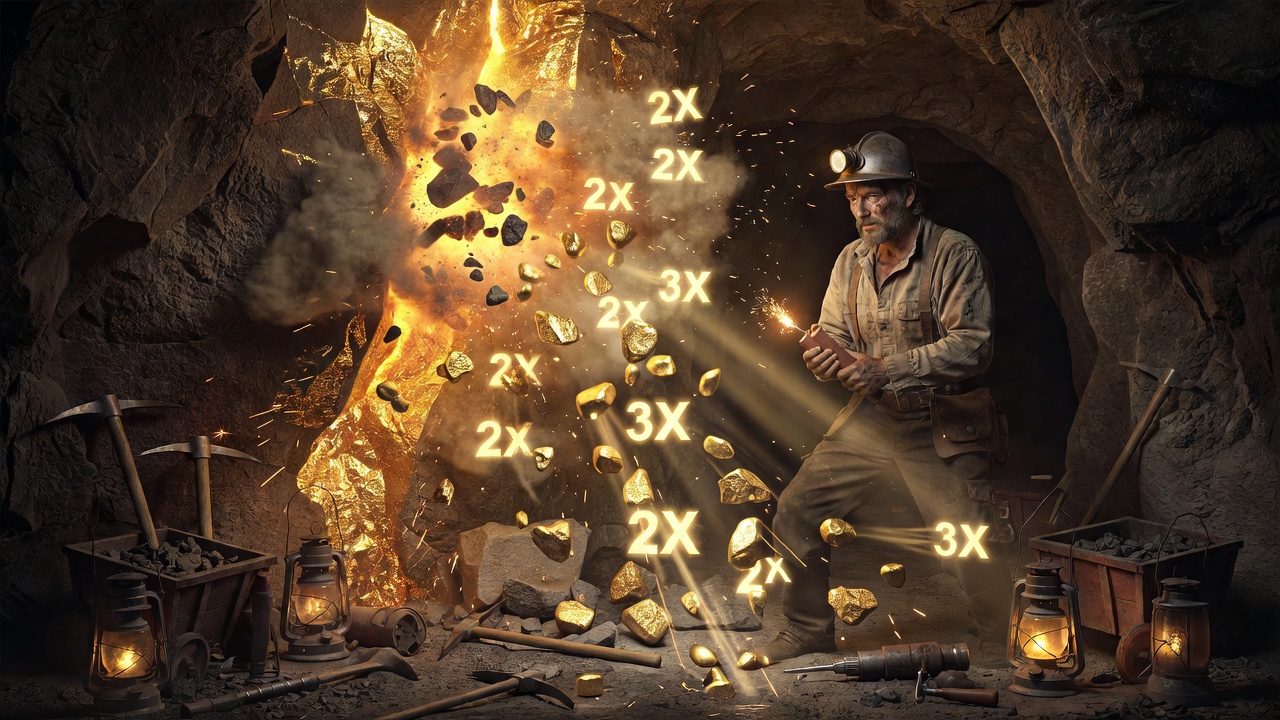
A single stick of dynamite could clear more rock in seconds than a crew of miners could break in a full day with picks and hand drills. That practical fact of nineteenth-century engineering became the backbone of a slot theme that has outlasted dozens of trendier competitors. The imagery of blasting through granite to expose a vein of gold isn't decoration - it mirrors an actual method that changed how prospectors approached underground wealth, turning slow manual labor into industrial-scale extraction.
What makes this theme durable is the tension it captures: risk versus reward, patience versus explosive payoff. Every gold rush story follows the same emotional arc, whether it played out in California in 1849 or in a modern game reel. Players who want to see the mechanics before committing real stakes often start with the dynamite riches the mother lode demo, which lets them study how the blast symbols and bonus triggers behave without financial pressure. That trial run matters because the appeal of this genre isn't just visual - it's structural, built on the same suspense that drove real miners to dig one more foot before giving up.
This piece breaks down why the mining and blasting motif works so well as a narrative device, how historical gold rush events shaped the symbols and mechanics we recognize today, and what separates a well-designed treasure-hunting game from a generic one. Along the way, we'll look at the specific game mechanics that simulate underground discovery and explain why this theme keeps attracting new audiences.
The Historical Roots of the Gold Rush Story
Long before "dynamite riches" became a recognizable phrase in gaming circles, actual dynamite reshaped mining economies across the globe. Alfred Nobel's invention in 1867 gave prospectors a tool far more powerful and stable than nitroglycerin alone, and within a decade it was standard equipment in hard-rock mining operations from Nevada to South Africa. The gold rush story isn't a single event - it's a pattern that repeated across continents, each time following similar beats: discovery, migration, boomtowns, and eventual decline.
From Sutter's Mill to the Klondike
The California rush of 1848-1855 set the template. A discovery at a sawmill triggered a migration of roughly 300,000 people within a few years, transforming a sparsely populated territory into a state almost overnight. Decades later, the Klondike rush of 1896-1899 replayed the same story in the Yukon, with prospectors braving brutal cold to reach frozen creek beds rumored to hold underground wealth. Both events shaped the popular image of the lone miner striking it rich against overwhelming odds.
Why Dynamite Became a Symbol of Progress
Before commercial explosives, breaking through bedrock to reach deeper ore deposits was slow and dangerous. Black powder existed but was unpredictable and weak by comparison. Dynamite changed the economics of mining treasure entirely - operations that once took months to reach a productive vein could now blast through in weeks. This shift from manual to industrial extraction is precisely why dynamite imagery carries such weight in gold rush storytelling: it represents the moment human effort was amplified by technology.
- 1848-1855: California Gold Rush, the event that popularized prospecting culture in North America
- 1867: Nobel patents dynamite, transforming excavation speed and safety
- 1896-1899: Klondike Gold Rush, the last major rush before industrial mining consolidated the practice
Translating Mining Treasure Into Game Design
Turning a historical labor process into engaging gameplay requires more than surface-level theming. Designers have to translate the actual rhythm of prospecting - searching, digging, occasionally hitting nothing, then striking something valuable - into mechanics that feel rewarding within seconds rather than months.
Symbol Design and Thematic Accuracy
Effective mining-themed games use symbols that correspond to real tools and materials: pickaxes, ore carts, lanterns, and of course, dynamite sticks. This isn't arbitrary set dressing. Each symbol reinforces the narrative logic of the game, so a player intuitively understands that dynamite symbols likely trigger destructive, high-value events, while lantern or pickaxe symbols represent steadier, lower-tier progress.
Pacing the Discovery Moment
The single hardest problem in translating a gold rush story into a game is pacing. Real prospecting involved long stretches of nothing followed by rare moments of discovery. Good design compresses that rhythm without eliminating the suspense - building tension through near-misses and escalating bonus triggers rather than making every spin feel identical.
Balancing Risk and Reward Visually
Color palettes, sound design, and animation speed all communicate risk level before a player consciously registers why. Darker underground tunnel visuals paired with sudden bright gold reveals create a visceral sense of underground wealth being uncovered, reinforcing the payoff without needing explanatory text.
Mechanics That Simulate Underground Wealth
The mechanical core of any mining-themed game determines whether the theme feels authentic or merely cosmetic. Several recurring mechanics have proven effective at simulating the sensation of digging deeper into a mine and uncovering greater rewards.
Cascading or Collapsing Reel Structures
Many titles in this genre use collapsing symbol mechanics, where winning combinations clear away and new symbols drop in - mimicking the visual effect of rock collapsing after a blast to reveal fresh material underneath. This mechanic directly supports the mining fantasy: each collapse feels like another layer of earth removed.
Progressive Bonus Triggers
Rather than a single flat bonus round, effective designs build toward escalating rewards - a small find leads to a bigger reveal, which leads to the possibility of a jackpot-tier discovery. This structure echoes the layered discovery process of real mining, where surface deposits often hinted at richer veins below.
Explosive Multiplier Events
Dynamite-themed multiplier triggers are a direct nod to the historical role of explosives in mining. Instead of a passive multiplier increase, these events are framed as literal detonations that clear the board and multiply payouts, tying the mechanic explicitly back to the theme rather than treating it as a generic bonus feature.
Why the Theme Resonates With Modern Audiences
Mining and prospecting narratives tap into something more universal than nostalgia for the American West. They speak to a fantasy of sudden, deserved fortune - the idea that persistence and a bit of luck can unearth wealth that was there all along, waiting to be found.
The Universal Appeal of Buried Treasure
Across cultures and centuries, stories of buried or hidden wealth recur constantly, from pirate legends to biblical parables about hidden fields. Gold rush narratives fit neatly into this broader pattern, giving players a historically grounded version of a fantasy that already resonates on a deeper psychological level.
Nostalgia Without Historical Baggage
Unlike some historical themes that carry heavy or uncomfortable associations, the gold rush era is generally remembered as a period of opportunity and rugged individualism. This allows designers to lean into adventure and reward without navigating more complicated historical territory, making it an easier theme to present in a purely entertaining light.
What Sets Dynamite Riches Apart in Its Genre
Plenty of games use mining imagery, but few integrate the explosive element as thoroughly into both visuals and mechanics. The distinction matters because it changes the game from a passive backdrop into an active narrative device.
Explosive Mechanics as Core Gameplay, Not Decoration
Where many mining-themed games treat dynamite as a static symbol worth a fixed payout, this title builds entire bonus sequences around detonation events, directly tying the fantasy of blasting through rock to tangible in-game rewards. That structural choice is what separates a theme used as wallpaper from a theme used as the actual game engine.
Layered Bonus Structure Mirroring Real Prospecting
The escalating bonus tiers reflect the layered nature of real ore deposits, where surface finds often signal richer veins deeper underground. This design choice rewards patience in a way that mirrors the actual economics of historical mining operations, rather than offering flat, undifferentiated payouts.
Visual Consistency From Symbol to Bonus Round
Every visual element, from reel symbols to full-screen bonus animations, stays consistent with the mining and blasting theme. This consistency reinforces the sense that players are progressing through an actual excavation rather than jumping between disconnected game screens.
Frequently Asked Questions
What does the term "mother lode" actually mean in mining history?
A mother lode refers to the primary, richest vein of ore in a mining region, from which smaller, secondary veins branch out. The term originated during actual prospecting operations and later became shorthand in popular culture for any large, primary source of wealth or reward.
Why do so many slot games use gold rush and mining themes?
The gold rush era offers a historically grounded fantasy of sudden fortune achieved through effort and luck, which maps naturally onto reward-based game mechanics. It also carries relatively light historical baggage compared to other adventure themes, making it easy to present as pure entertainment.
How does dynamite factor into the gameplay beyond visuals?
In well-designed mining-themed games, dynamite symbols typically trigger destructive board-clearing events tied to multipliers or bonus rounds, rather than serving as a simple high-value symbol. This ties the historical function of dynamite as a tool for rapid excavation directly to in-game reward mechanics.
Is trying a demo version worthwhile before playing with real money?
Yes, testing mechanics through a demo lets players understand bonus triggers, volatility, and pacing without financial risk. This is particularly useful for mining-themed games where bonus structures are often layered and benefit from firsthand observation before committing real stakes.
What historical accuracy should players expect from these games?
Most mining-themed games prioritize thematic atmosphere over strict historical accuracy, borrowing recognizable imagery like pickaxes, ore carts, and dynamite without claiming to document any specific historical event. The gold rush framing serves as narrative texture rather than a factual retelling.
Why did dynamite specifically become associated with mining wealth rather than other tools?
Dynamite represented a genuine technological leap in mining efficiency during the nineteenth century, allowing operations to reach deeper ore deposits faster and more safely than manual tools alone. That historical significance made it a natural symbol for breakthrough moments and sudden discovery in themed entertainment.